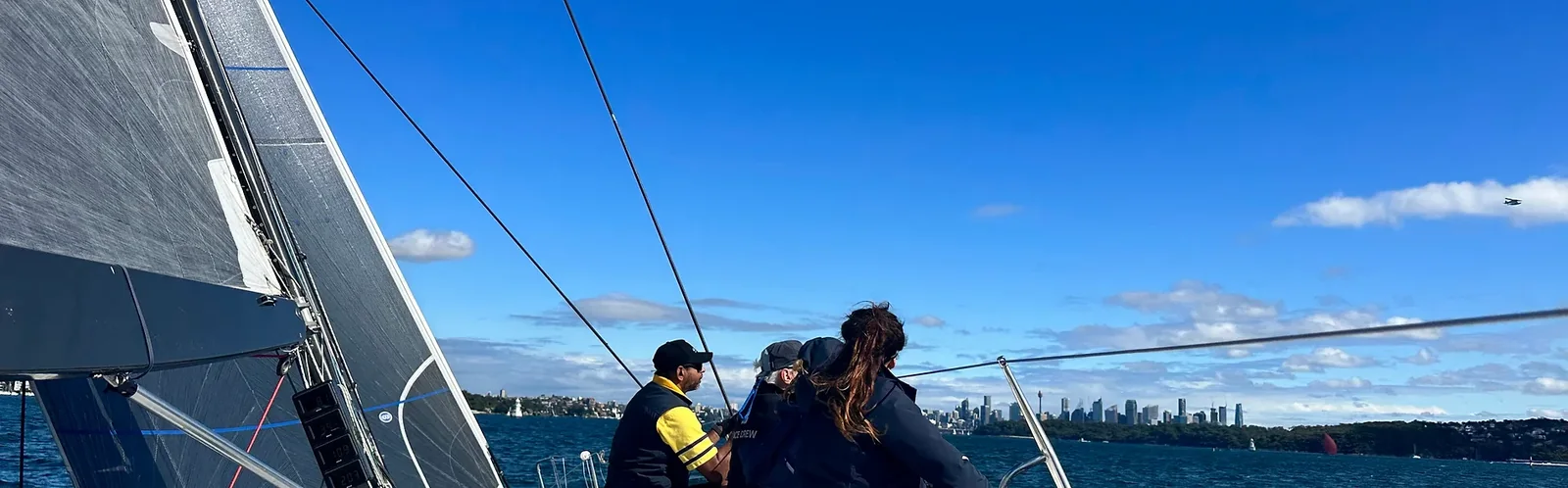
Start from the season, not the calendar quarter
Almost every marine business has a demand curve tied to cruising and racing seasons. Campaign planning that ignores that curve overspends in dead months and underspends in the weeks that actually fill berths, cabins, and course intakes.
Map your enquiry data against the previous two seasons, then work backwards: booking-window searches start weeks or months before the sailing itself, so awareness spend has to lead the season rather than follow it.
- Pre-season: awareness content, email reactivation, early-booking offers
- In-season: capture-heavy search and retargeting, availability-led creative
- Off-season: SEO foundations, content build, brand and community work
Pick channels by intent, not by trend
Search captures people already looking for a berth, a charter, or an RYA course. Social builds the desire that creates those searches later. Email and CRM convert the long tail of enquiries that were never going to book on the first visit.
The mistake we see most often is a marine brand pouring everything into social because sailing photographs well, then wondering why enquiries do not arrive. Beautiful reach without a capture layer is a brand exercise, not a marketing programme.
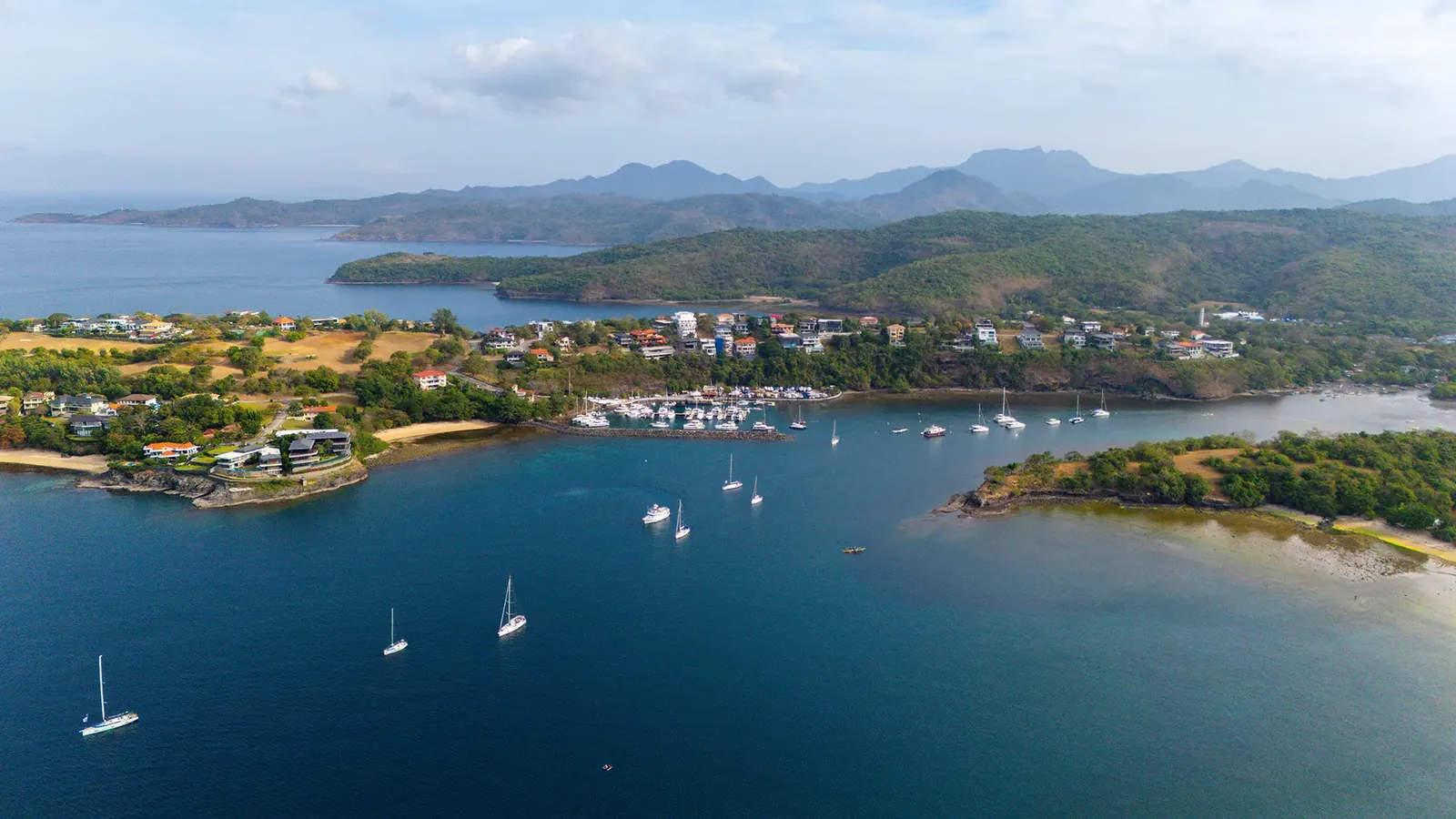
Write like a sailor, sell like a professional
Marine audiences spot generic copy instantly. Naming the class, the cruising ground, the certification, or the anchorage does more for conversion than any amount of polish, because it signals you actually operate in their world.
That credibility is also an SEO asset: specific language matches the specific long-tail searches your competitors are too generic to rank for.
Measure enquiries, not impressions
One charter or brokerage enquiry can be worth a year of generic traffic, so channel reporting has to end at qualified enquiries and bookings. That means server-side or form-level tracking, call tracking where phone still dominates, and a single agreed definition of a lead.
Respect the season, split channels by intent, speak the audience's language, and report on enquiries. Everything else in maritime digital marketing is execution detail.