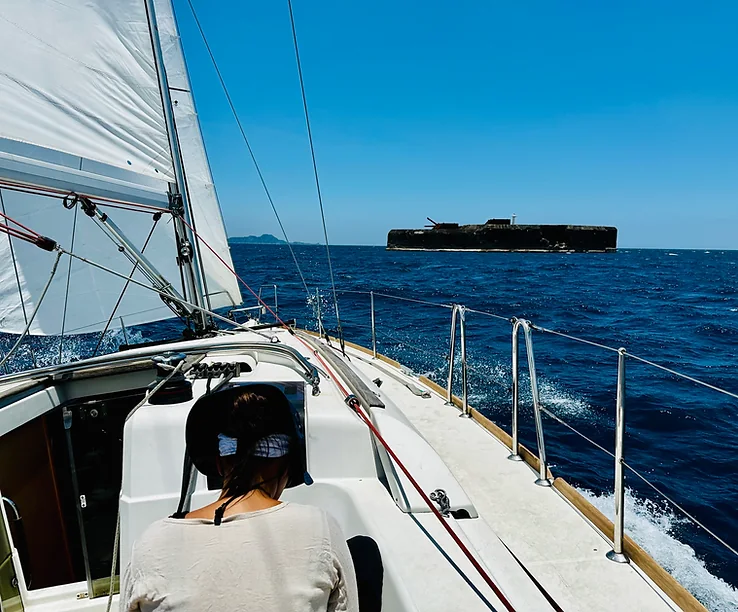
Step 1: take a taster before you book anything
A two- to three-hour taster session with an instructor answers the only question that matters early on: do you enjoy the motion, the wind and being a bit wet? Nobody can answer that for you from a brochure.
Most schools credit the taster fee against a full course if you book afterwards, so it is rarely wasted money. Ask before you pay.
Step 2: choose dinghy or keelboat
Dinghies teach faster. They respond instantly, they punish sloppy sail trim, and they are the cheapest hours on the water you will ever buy. If your goal is to sail well, start here.
Keelboats and yachts are more forgiving, more comfortable, and the route to a certificate charter companies recognise. If your goal is to charter a boat on holiday or crew offshore, start here instead.
- Dinghy first: fastest skill development, lowest cost per hour
- Keelboat first: charter-recognised certification, family-friendly
- Many sailors do both — the skills transfer in either direction
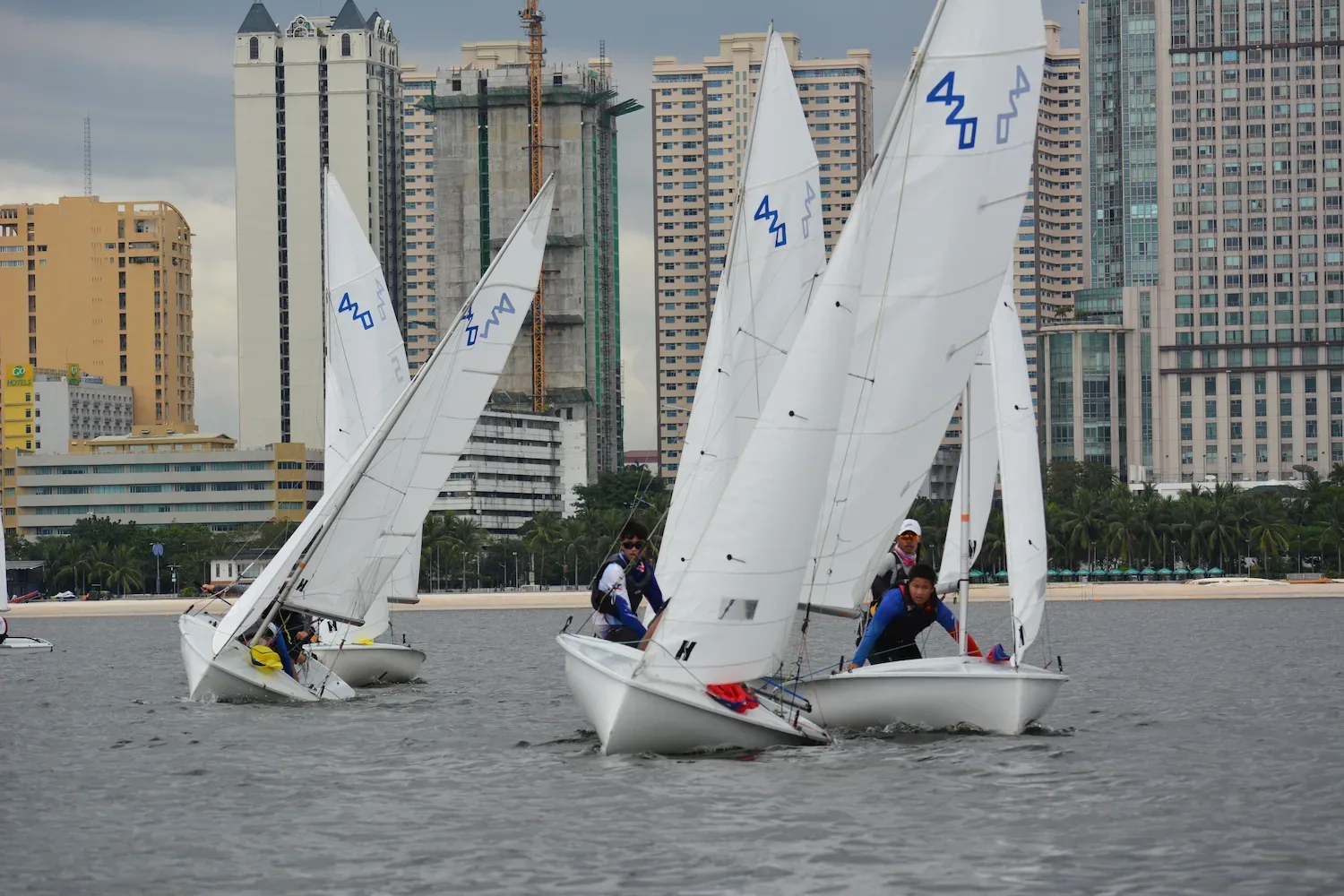
Step 3: book a real course, not a string of single lessons
Skill compounds across consecutive days. A two- to five-day beginner course leaves you far more capable than the same hours spread across three months, and it ends with a certificate rather than a vague sense of progress.
Look for a school recognised by a national body — RYA in the UK and much of Europe and Asia, US Sailing or ASA in the United States, Australian Sailing in Australia, IYT internationally. Recognition means audited boats, qualified instructors and a certificate that travels.
Step 4: what actually happens on the course
Day one is safety briefing, parts of the boat, knots, rigging, and your first turns on the helm. Tacking and gybing usually happen before the first day is done.
The remaining days add points of sail, sail trim, man-overboard drills, and mooring or berthing under supervision — repeated until the manoeuvres stop needing conscious thought. Assessment at entry level is practical, not written.
- Bring: layers, non-marking soles, sunscreen, a water bottle, motion-sickness tablets if you are unsure
- Declare early: non-swimmers, mobility needs, medication — instructors plan around it happily
- Expect heel: the boat leans by design; it is the thing that surprises beginners most
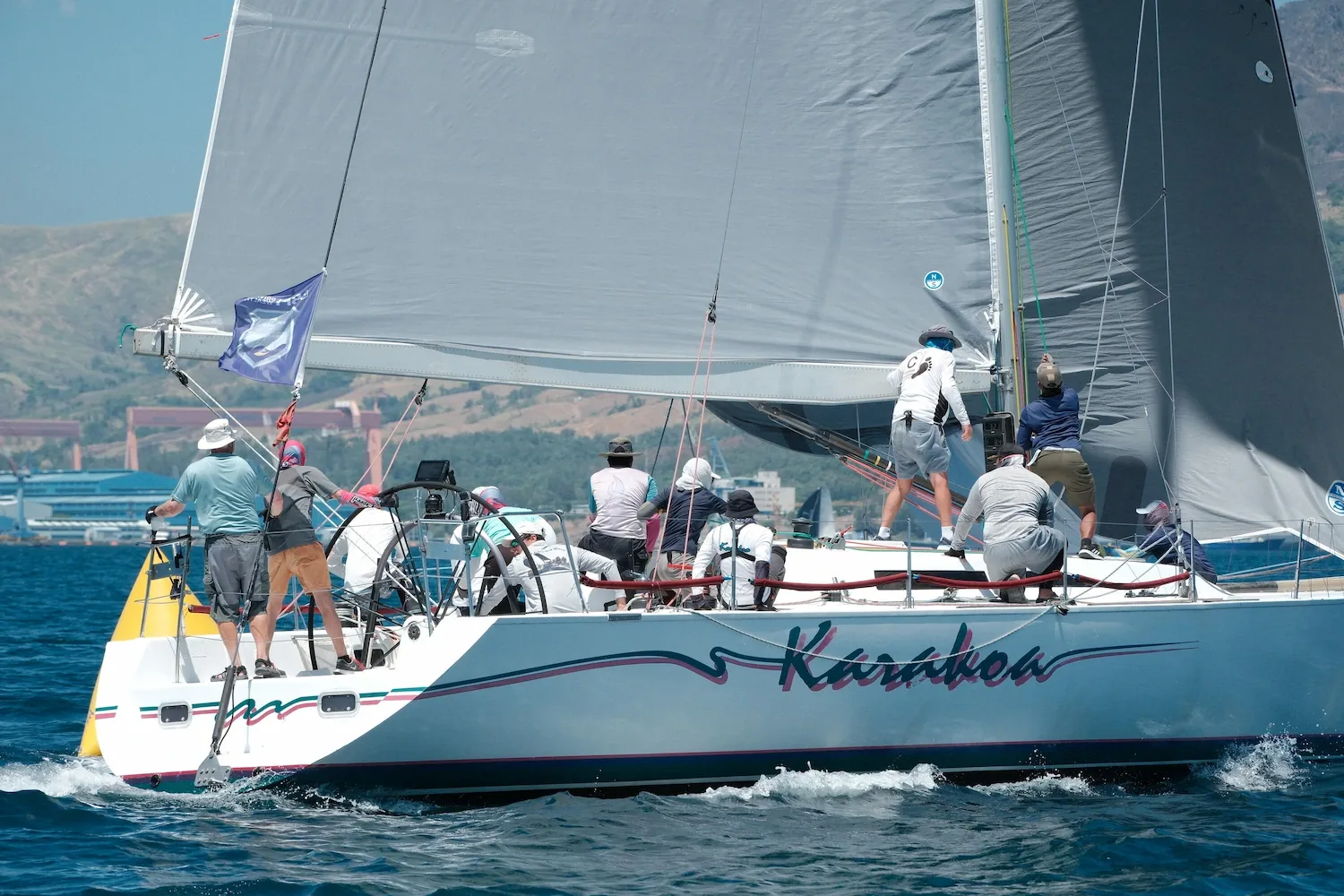
Step 5: how long it takes, and how hard it really is
Most people who finish one full beginner course can handle a small keelboat in light to moderate wind with a competent companion aboard. Skippering independently in stronger conditions takes a further course and logged sea time.
Sailing is a coordination skill, not a strength sport. The hard parts are spatial — wind direction, right of way, judging a berthing approach — and they yield to repetition rather than fitness.
Step 6: what it costs
Published beginner-course ranges sit at roughly $275 to $1,295 in the US for an ASA 101 or US Sailing Basic Keelboat course (10 to 22 hours), about £250 to £900 in the UK for RYA beginner courses, and around AUD $345 to $375 for Australian Sailing Start Crewing. Group size, boat type and whether you live aboard explain most of the spread.
Our sailing lessons cost and what to expect guide breaks the bands down by market, with what is normally inside the fee and what is charged extra.
Step 7: keep sailing, or the skills leak away
The sailors who stay confident are the ones who joined a club, crewed on someone else's boat on Wednesday evenings, or signed up for a flotilla within a season of qualifying. Certification without consolidation fades in about a year.
Club racing is the single fastest consolidation there is: boat handling under mild pressure, with people who will tell you exactly what you did wrong.
Learning to sail in the Philippines
Home waters here are unusually kind to beginners: warm water, reliable afternoon sea breeze, and sheltered bays within reach of the major cities. The catch is discoverability — most schools publish intakes on social media rather than a course calendar, so ask directly for the next dates.
If you run one of those schools, that gap is the opportunity. Students search by bay, not by country.
- Manila Bay — closest teaching water to Metro Manila
- Subic Bay — sheltered, deep, strong club infrastructure
- Batangas — weekend cruising ground with reliable breeze
- Visayas — island-hopping water and the best season length
Take a taster, pick dinghy or keelboat by your goal, book one consecutive multi-day recognised course, then join a club and keep sailing. Budget two to five days and a few hundred pounds or dollars for the course itself.
Run a sailing school? Make your next intake findable
Students search by bay and book on a phone. We build sailing school websites with course calendars, transparent pricing and online enrolment — so beginner searches turn into filled intakes.
See our sailing school website design service