
1. Understand "passengers for hire"
Federal law treats anyone who contributes payment as a condition of being on the boat as a passenger for hire. A Coast Guard Sector San Diego bulletin explains this definition and advises anyone considering chartering a vessel to contact the Coast Guard to determine which regulations apply. Bareboat and crewed (time) charters are treated differently, so the structure of your contracts matters.
2. Get the right captain's credential
The Coast Guard National Maritime Center lists the charter captain credentials. The OUPV ("six-pack") endorsement covers uninspected passenger vessels limited by law to six or fewer passengers for hire. Larger operations need a Master endorsement and, above six passengers, typically an inspected vessel. Credentials depend on your days of sea service, the waters served and vessel tonnage.
- OUPV Near Coastal endorsements may be limited to 100 miles offshore
- No OUPV endorsement is valid for international voyages
- Apply through your local Regional Exam Center with full supporting documents
3. Check where your boat was built
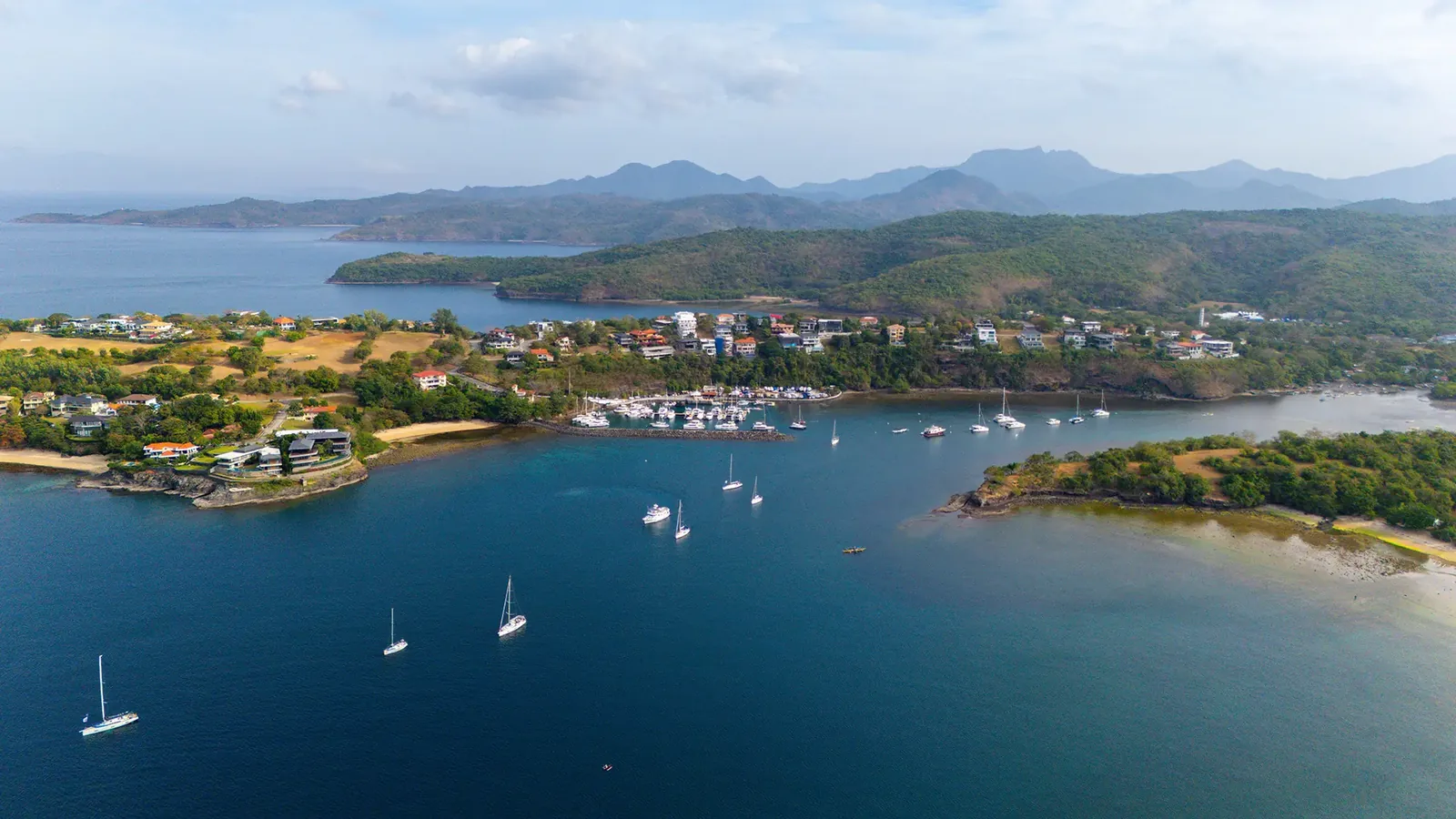
Coastwise passenger trade generally requires US-built vessels under the Jones Act and Passenger Vessel Services Act. MARAD's Small Vessel Waiver Program can waive the US-build requirement for eligible foreign-built boats: owned by a US citizen or organisation, at least three years old, carrying passengers only, and no more than 12 passengers at a time — subject to separate Coast Guard requirements. MARAD asks applicants to contact its administrator before paying or applying.
4. Build the website before the first season
Most first-season charters launch with a marketplace listing and nothing else. A simple, fast site lets you rank for your own name, take direct enquiries and look established to corporate and event clients.
- One page per offer: sunset cruise, full day, events, corporate
- Clear capacity, departure marina and what is included
- A quote or booking form with deposit and cancellation terms
- Google Business Profile linked to a matching site page
Confirm your passenger-for-hire status, captain's credential and vessel eligibility with the official agencies first. Then launch a focused website so your first guests can find and book you directly.
Sources
- MSIB 01-19: Passenger for hire operations — U.S. Coast Guard Sector San Diego
- Charter Boat Captain credentials (OUPV / Master) — U.S. Coast Guard National Maritime Center
- Small Vessel Waiver Program — U.S. Maritime Administration (MARAD)
Frequently asked questions
Do I need a captain's licence to run a charter in the US?
For crewed charters carrying passengers for hire, yes — at minimum an OUPV (six-pack) endorsement for up to six passengers on an uninspected vessel, and a Master credential for larger operations. Check the Coast Guard National Maritime Center for your situation.
Can I charter a foreign-built yacht in US waters?
Coastwise passenger trade usually requires a US-built vessel. MARAD's Small Vessel Waiver Program can allow eligible foreign-built boats at least three years old to carry up to 12 passengers, subject to Coast Guard requirements.
Is a yacht charter business profitable?
It depends on utilisation, season length, insurance, mooring and crew costs, and how many bookings you take directly versus through marketplaces. Build a model from your own quotes before buying or converting a vessel.
Launching a charter this season?
We build launch-ready charter websites with quote forms, deposits and local SEO — the same package our first US charter client used to open for business.
See yacht charter website design